Want to bring more people into your group?
Finding new members can take time but there are simple things you can do to help people find your group, understand what it offers and feel comfortable joining.
Reach new people
Good promotion helps the right people find your group and understand what it offers. Learn practical and free ways to promote your group, reach potential members and make it easier for people to get involved.
Make it easy for people to access your group
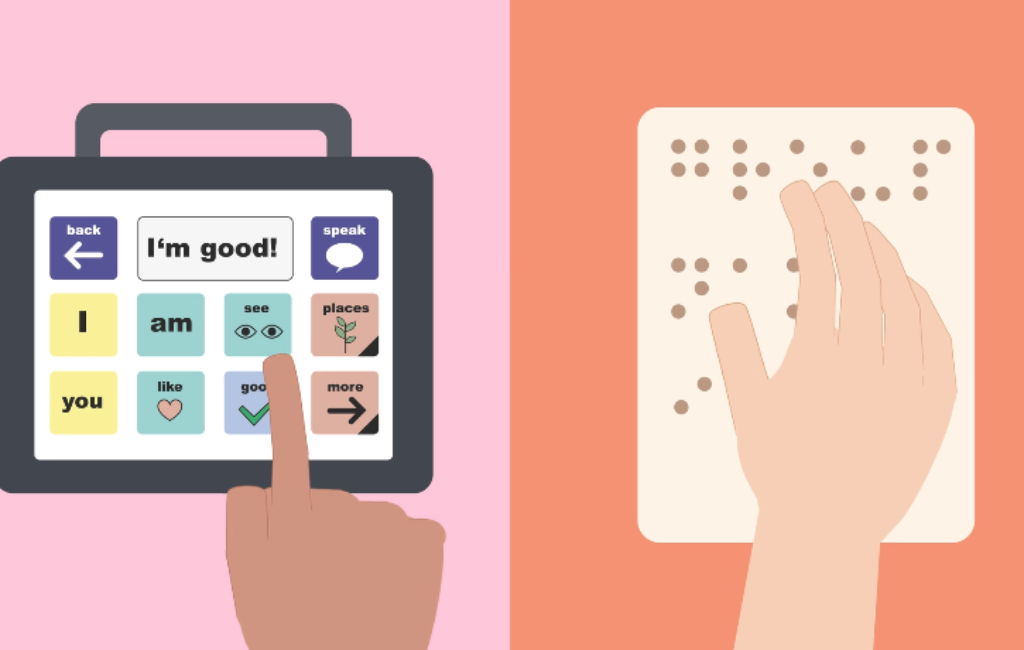
There are a few things that can help people decide whether to join your peer group or not. Having enough information about your group before they attend, including whether they will be able to access the meeting in the way they need tocan make all the difference.
Big ideas but short on resources?
There are plenty of free ways to promote your group, including social media and word of mouth. But a little funding can go a long way and help with things like printing, advertising or even running an event. Take a look at our Funding and Grants guide to explore your options.
Common questions
A facilitator helps people connect, participate and learn from each other’s experiences. They can help the group stay connected to its purpose, make space for different people, keep conversations respectful, manage time and respond when conversations become difficult. They do not need to lead every conversation or solve every problem.
People participate in different ways. Some people talk often; others prefer to listen, write, use chat or AAC, or contribute only occasionally. Give people time, do not put people on the spot and do not pressure anyone to speak or disclose personal information.
The group can choose topics that fit its purpose and members. Peer Connect’s topic ideas include everyday connection, rights and advocacy, supported decision-making, services and supports, choosing providers or support workers, dignity of risk, community participation, quality and safeguarding, and group reflection. But your group can decide to talk about anything that interests them.
An agenda can help a meeting stay on track and make sure there is time for the things members want to discuss. It does not need to be rigid. Peer conversations can move in unexpected directions, and that can be valuable too.
Gently make space for other people. You might thank the person for sharing and invite others to contribute. If the pattern continues, speak privately with the person. Keep the focus on making space for everyone rather than blaming someone.
Different experiences and opinions are part of peer support. Remind members of the group’s expectations, encourage people to speak from their own experience and bring personal criticism back to the topic. Pause the conversation if it becomes disrespectful or unsafe.