
Planning for success
This page has handy templates to help you plan your first meeting, get the word out about your group, and make sure it’s useful for members.
Where do you start?
Thinking through the basics early can give your group a clear starting point. Use the Group Planning Template to work out things like who your group is for, what you want it to offer, and when you’ll meet, and what you’ll need to make it happen.
Video
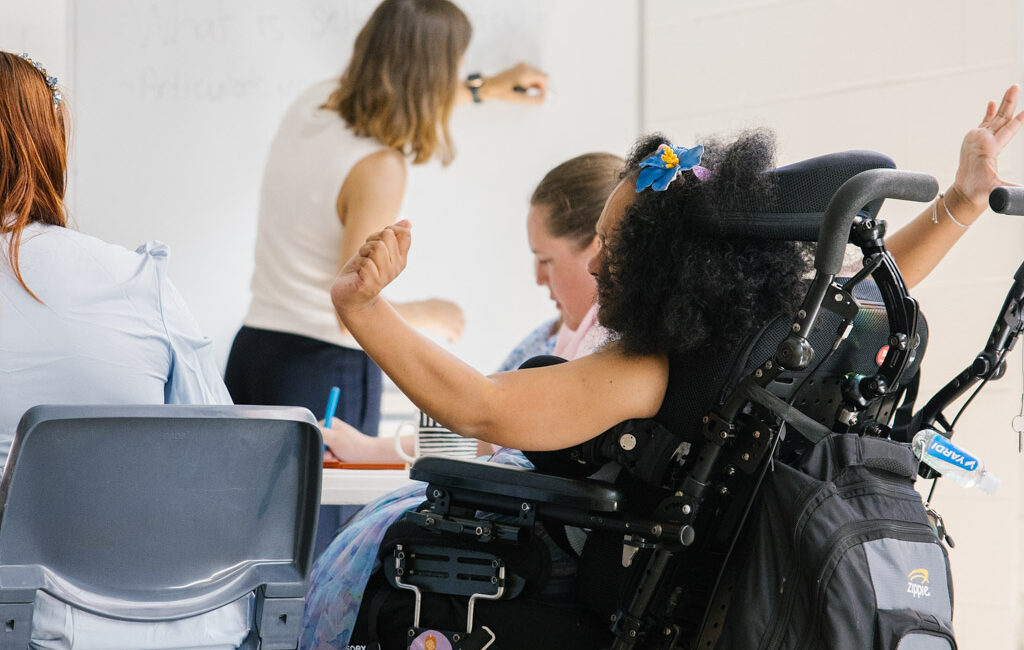
Plan your first meeting
Your first meeting is a chance to set the tone for your group. We’ve created an example agenda to help you think about what you need to organise beforehand and what you might cover on the day.
Find people to join your group
Now it’s time to let people know your group exists! Our Promotion and Recruitment Guide has plenty of tips and practical ideas to help you reach new members and promote your group so the right people find you.
Video
Questions people have
Be clear about what the group is, who it is for, when and where it meets, relevant accessibility information and how someone can ask questions or join. You can promote through community networks, organisations and social media. Search the Help and Guides page for resources.
There is no minimum number. Many groups begin small. Start with something manageable and think about what will work for the people involved.
Possibly. Funding sources may include local councils, community foundations, neighbourhood houses, disability, health and community organisations, service clubs and philanthropic organisations. Funding can help with venue hire, refreshments, resources, accessibility supports and promotion. Funding is a tool, not a requirement.