
What peer groups can offer
We all deserve opportunities to connect with other people, to feel like we belong and to share the things that matter most to us. Peer groups provide the perfect opportunity.
The difference connection makes
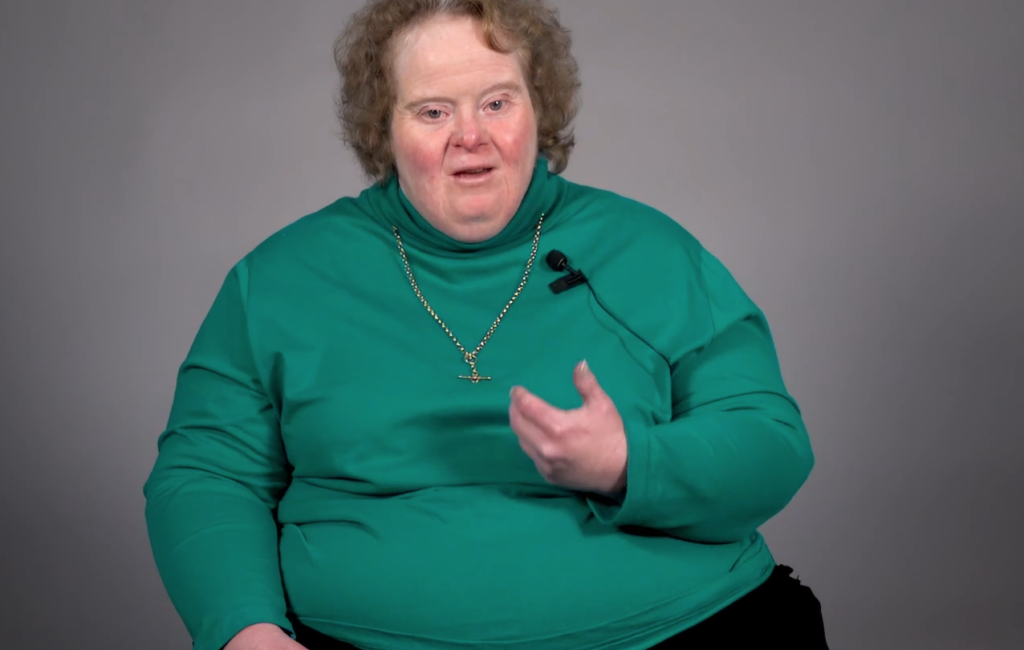
Being part of peer groups creates opportunities to meet new people, make friends, exchange ideas, ask questions and learn from each other. Everyone brings their own knowledge and experience. Peer groups are a place you can receive support and offer it to others.
We all connect in different ways
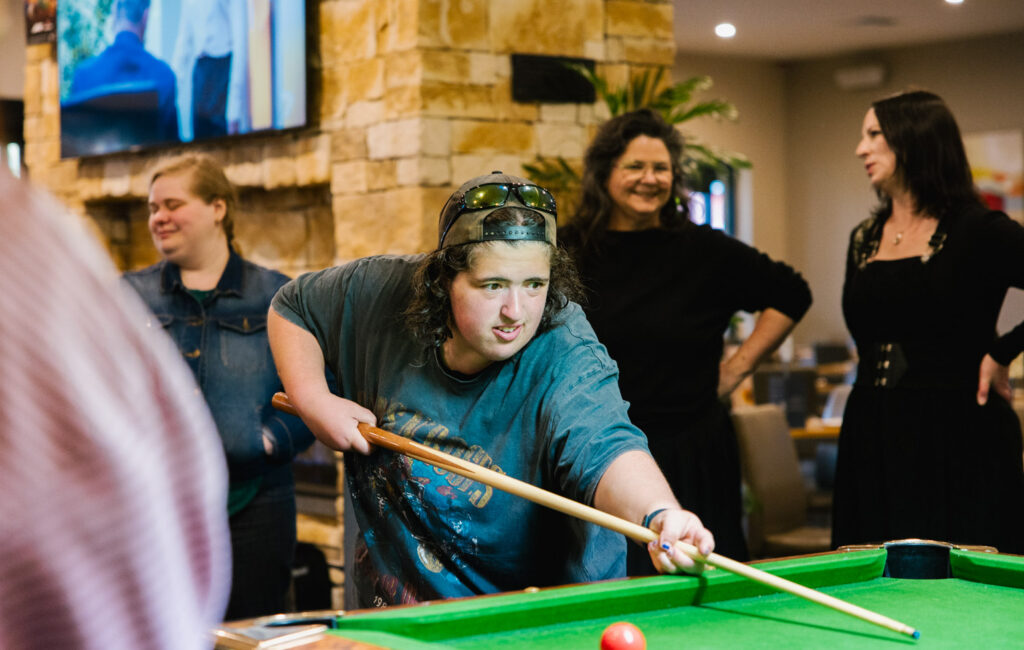
We’re all so different and we like to interact in different ways. But people with disability can face barriers that make connecting and participating in community life much harder.
A 2021 Australian study found that 19% of people with disability aged 15-64 experienced social isolation, compared with 9.5% of people without disability. In addition, 29% of people with disability often felt lonely, compared with 17% of people without disability.
Peer groups are one way to create more opportunities for connection, participation and a sense of belonging.
Find what works for you
There’s no one kind of peer group. Whether you’re looking to meet people, share experiences, learn new things or get involved in something important to you, the right group is simply one that works for you. If you don’t find the right group straight away, keep going. Your people might be closer than you think.
FAQs
A peer group is a place where people with shared experiences come together to connect, learn from each other and offer mutual support. People might share a disability, health condition, identity, caring role, life experience or another important part of their lives. Peer support is based on mutual respect and shared lived experience.
Peer support is based on people learning from and supporting each other through shared experience. There is usually no single expert. A facilitator may guide the conversation, but the lived experience of group members is central. A peer group does not replace professional, crisis or specialist support when this is needed.
No. There is no right or wrong way to participate. You might talk, listen, write, use chat or AAC, or contribute occasionally. You should not be pressured to speak or share personal information before you are ready.
It is perfectly normal to feel nervous before a first meeting. You can contact the organiser beforehand, ask what usually happens, discuss accessibility, or ask whether you can attend and listen while you get comfortable. It can take more than one meeting to decide whether a group feels right for you.